The Powerhouse Nutrient: Unpacking Protein's Essential Role in Health, Fitness, and Diet
Impact-Site-Verification: 4d815b24-83ce-4f28-ad12-462103de9095In the vast landscape of nutrition, few nutrients command as much attention and understanding as protein. Often hailed as the "building block of life," protein is a macronutrient indispensable for virtually every biological process within the human body. From the microscopic machinery of our cells to the macroscopic strength of our muscles, protein plays a foundational role in maintaining health, driving physical performance, and optimizing dietary strategies. This comprehensive article delves into the science of protein, its multifaceted functions, how much we truly need, and the best ways to incorporate it into our daily lives for peak health, fitness, and dietary success.
The Science of Protein: Amino Acids and Their Dynamic Roles
At its core, protein is a complex macromolecule made up of smaller units called amino acids. These amino acids link together in long, intricate chains, folding into specific three-dimensional structures that dictate their function. The human body uses 20 different amino acids to create the thousands of proteins it needs. These are broadly categorized into two groups:
- Essential Amino Acids (EAAs): There are nine essential amino acids that the body cannot synthesize on its own and must obtain through diet. These include histidine, isoleucine, leucine, lysine, methionine, phenylalanine, threonine, tryptophan, and valine.
- Non-Essential Amino Acids (NEAAs): The remaining eleven amino acids can be produced by the body from other amino acids or precursors, making dietary intake less critical, though still beneficial.
The continuous process of protein synthesis and protein breakdown, often referred to as protein turnover, is vital for life. Our bodies are constantly repairing, replacing, and building new tissues. This dynamic state ensures that damaged proteins are removed and new ones are synthesized, allowing for adaptation, growth, and repair in response to daily wear and tear, exercise, and environmental stressors.
Protein's Multifaceted Role in Health and Well-being
The importance of protein extends far beyond just muscle building. Its diverse functions impact almost every aspect of our health:
Muscle Repair, Growth, and Performance
For individuals engaged in fitness, protein's role in muscle protein synthesis (MPS) is paramount. Exercise, particularly resistance training, creates microscopic tears in muscle fibers. Protein provides the necessary amino acids to repair these tears and build new muscle tissue, leading to hypertrophy (muscle growth) and increased strength. Adequate protein intake is crucial for recovery, reducing muscle soreness, and enhancing overall athletic performance, whether for strength, power, or endurance sports.
Satiety and Weight Management
When it comes to diet and body composition, protein is a game-changer. It has a significantly higher thermic effect of food (TEF) compared to carbohydrates and fats, meaning the body expends more energy to digest and metabolize protein. More importantly, protein is incredibly satiating. It helps to reduce hunger and keep you feeling fuller for longer, which can naturally lead to a lower overall calorie intake and improved adherence to a weight loss or maintenance diet. By preserving lean muscle mass during calorie deficits, protein also helps to maintain a healthy metabolism.
Bone Health and Structural Integrity
While calcium and vitamin D often take center stage for bone health, protein is equally vital. Collagen, a primary structural protein, forms the organic matrix of bone, providing flexibility and tensile strength. Adequate protein intake supports bone mineral density and helps reduce the risk of osteoporosis and fractures, especially as we age.
Immune Function and Hormonal Balance
Many components of our immune system, including antibodies and enzymes, are proteins. A sufficient protein intake is essential for a robust immune response, helping the body fight off infections and diseases. Furthermore, protein is critical for the synthesis of various hormones (like insulin, growth hormone, and thyroid hormones) and enzymes, which regulate virtually all bodily functions, from metabolism to reproduction.
Hair, Skin, Nails, and Other Vital Functions
The health and appearance of our hair, skin, and nails are directly linked to protein. Keratin, collagen, and elastin are structural proteins that provide strength, elasticity, and integrity to these tissues. Beyond these, protein plays roles in oxygen transport (hemoglobin), fluid balance, nutrient transport, and detoxification processes.
Understanding Your Protein Needs: How Much Is Enough?
Protein requirements are not one-size-fits-all; they vary significantly based on age, activity level, health status, and specific goals.
General Population and RDAs
The Recommended Dietary Allowance (RDA) for protein for a sedentary adult is 0.8 grams per kilogram of body weight (0.36 grams per pound). For a 70 kg (154 lb) individual, this translates to approximately 56 grams of protein per day. However, it's important to understand that the RDA is a minimum to prevent deficiency, not necessarily an optimal intake for maximizing health, fitness, or satiety.
Active Individuals and Athletes
For those regularly engaging in physical activity, protein needs are higher to support muscle repair, recovery, and adaptation:
- Strength/Resistance Training: Athletes focused on building muscle mass and strength typically benefit from 1.6 to 2.2 grams of protein per kilogram of body weight per day (0.7 to 1.0 grams per pound). Some research suggests even higher intakes during intense training phases or calorie deficits.
- Endurance Athletes: While often associated with carbohydrates, endurance athletes also have elevated protein needs, typically ranging from 1.2 to 1.7 grams per kilogram of body weight per day (0.5 to 0.8 grams per pound), to aid in repair and recovery from prolonged activity.
Weight Loss and Lean Mass Preservation
During a calorie deficit for weight loss, a higher protein intake (often 1.2 to 1.6 grams per kilogram of body weight, or 25-30% of total calories) is highly beneficial. This helps to preserve lean muscle mass, maximize satiety, and increase the thermic effect of food, making weight loss more effective and sustainable.
Special Populations
- Older Adults: As we age, the body's anabolic response to protein can diminish. To combat sarcopenia (age-related muscle loss), older adults often benefit from higher protein intakes, around 1.0 to 1.2 grams per kilogram of body weight, distributed throughout the day.
- Pregnant and Lactating Women: Increased protein is crucial to support fetal development and milk production, with recommendations often rising to 1.1 to 1.3 grams per kilogram of body weight.
Optimizing Your Protein Intake: Sources and Strategies
Meeting your protein needs involves selecting high-quality sources and adopting smart eating strategies.
Animal-Based Protein Sources
Animal proteins are considered "complete proteins" as they contain all nine essential amino acids in sufficient quantities. They are also rich in other vital micronutrients.
- Lean Meats: Chicken breast, turkey, lean beef, pork loin. Excellent sources of iron, zinc, and B vitamins.
- Fish and Seafood: Salmon, tuna, cod, shrimp. Rich in omega-3 fatty acids, vitamin D, and iodine.
- Eggs: Often called nature's perfect protein, eggs contain all essential amino acids and a host of vitamins and minerals.
- Dairy Products: Milk, yogurt (especially Greek yogurt), cottage cheese. Provide calcium, vitamin D, and different types of protein like whey (fast-digesting) and casein (slow-digesting).
Plant-Based Protein Sources
While many plant proteins are "incomplete" (lacking one or more essential amino acids), combining various plant sources throughout the day can create a complete amino acid profile. Plant-based proteins also offer the added benefits of fiber, antioxidants, and lower saturated fat.
- Legumes: Lentils, chickpeas, black beans, kidney beans. Versatile and fiber-rich.
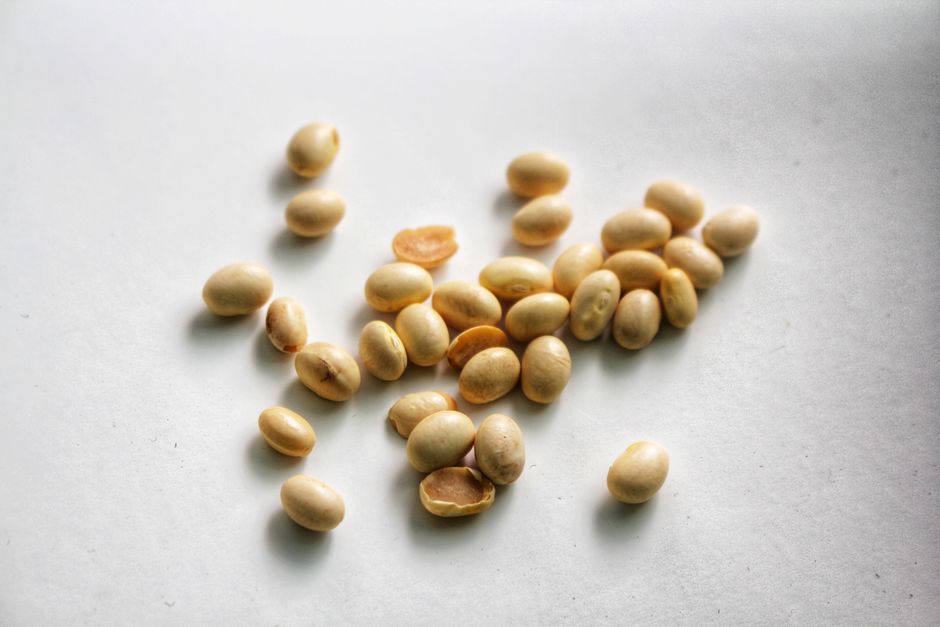
- Soy Products: Tofu, tempeh, edamame. Excellent complete plant protein sources.