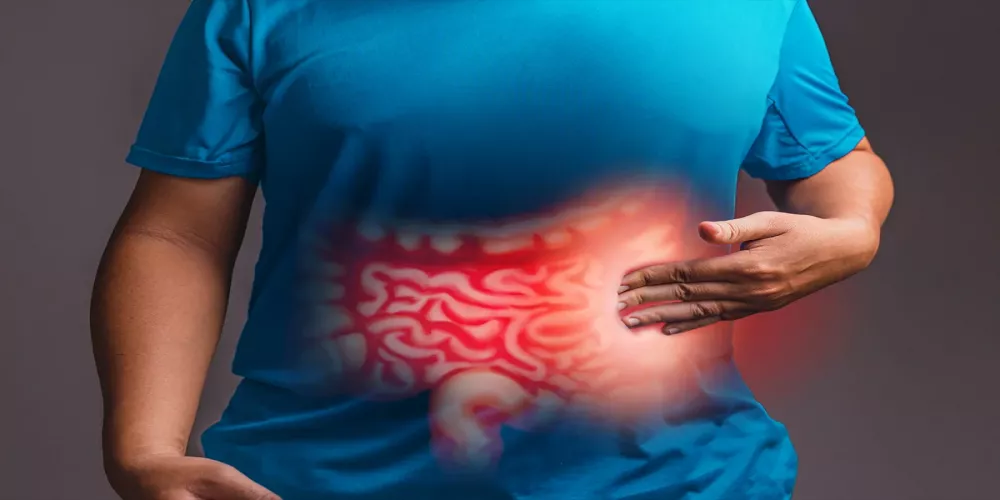
Colon Diseases: Understanding Symptoms, Causes, and Treatments
The colon, or large intestine, is an essential part of the digestive system, responsible for absorbing water and salts from food waste and converting it into stool. When the colon becomes diseased, it can significantly impact a person's quality of life, causing a range of painful and bothersome symptoms. Colon diseases vary, including chronic inflammatory conditions, functional disorders, and tumors. Understanding these diseases and early diagnosis is key to effectively managing symptoms and improving digestive health.
Common Types of Colon Diseases
The diseases that can affect the colon are numerous and differ in nature and severity. Among the most prominent are:
Irritable Bowel Syndrome (IBS): This is one of the most common functional disorders, affecting how the colon works without causing structural changes or inflammation. Its symptoms include abdominal pain, cramping, bloating, and changes in bowel habits (diarrhea, constipation, or both). Although it doesn't cause permanent damage to the colon, its symptoms can be very disruptive and affect daily life.
Ulcerative Colitis: A chronic inflammatory disease that affects the inner lining of the colon and rectum, leading to the formation of small ulcers and open sores. Key symptoms include abdominal pain, bloody diarrhea, weight loss, and fatigue. Symptom severity can range from mild to severe, with periods of remission and flare-ups.
Crohn's Disease: Also an inflammatory bowel disease (IBD), but it can affect any part of the digestive tract from the mouth to the anus, not just the colon. It is characterized by deep inflammation of the intestinal wall. Its symptoms are similar to ulcerative colitis but may also include the formation of abscesses or fistulas around the anus.
Diverticulitis: This disease occurs when small pouches called "diverticula" that form in the colon wall become inflamed. It is common in older adults and can cause severe abdominal pain, fever, and nausea. In acute cases, it may require antibiotic treatment or even surgery.
Causes and Risk Factors
The causes of colon diseases vary depending on the type, but there are common factors that can increase the risk of developing them. Diseases like ulcerative colitis and Crohn's disease are believed to result from an abnormal immune response where the immune system attacks healthy colon tissue. Other factors include:
Genetic Factors: A family history of colon diseases increases the likelihood of developing them.
Diet: Some believe that diets lacking in fiber and rich in processed foods and fats may increase the risk of certain colon diseases.
Stress: Psychological stress can worsen IBS symptoms and cause episodes of cramping and diarrhea.
Lifestyle: A lack of physical activity and smoking can have a negative impact on colon health.
Diagnosis and Treatment
The diagnosis of colon diseases typically begins with a doctor's consultation and a description of symptoms. The doctor may request some tests to confirm the diagnosis and rule out other conditions. These tests include:
Blood and Stool Tests: To check for signs of inflammation or blood in the stool.
Colonoscopy: This is the primary tool for diagnosing colon diseases, allowing the doctor to examine the entire colon and take tissue samples (biopsies) for analysis.
Radiological Imaging: Such as a CT scan or MRI to examine the colon and small intestines.
Treatment, on the other hand, depends heavily on the type and severity of the disease. It may include:
Dietary Changes: Such as increasing fiber intake for IBS or avoiding certain trigger foods in inflammatory cases.
Medications: The doctor may prescribe anti-inflammatory, immunosuppressant, or symptom-relief medications for pain and diarrhea.
Stress Management: Controlling stress through meditation, yoga, or cognitive behavioral therapy is important for IBS patients.
Surgery: May be necessary in severe cases of inflammatory bowel diseases or in the presence of tumors.
Prevention and Tips for Maintaining Colon Health
Although some colon diseases cannot be entirely prevented, there are tips that can help maintain colon health:
Eat a Fiber-Rich Diet: Fruits, vegetables, whole grains, and legumes help regulate bowel movements.
Drink Enough Water: Helps prevent constipation.
Exercise Regularly: Improves bowel movement and reduces stress.
Avoid Processed Foods: And unhealthy fats that can increase inflammation.
Quit Smoking: Which increases the risk of developing Crohn's disease.
Regular Screening: Especially if you have a family history of colon diseases or are over the age of fifty.
Conclusion: Caring for Your Colon... A Step Towards Better Health
In conclusion, colon diseases are health problems that require special attention. Understanding the symptoms, early diagnosis, and following an appropriate treatment plan can significantly improve the quality of life for those affected. Caring for your colon through a healthy diet, a balanced lifestyle, and awareness of the disease's symptoms is a crucial step toward maintaining digestive health and living a pain-free life.